
The Adoption Process in West Virginia: Steps, Laws, and Timeline for Adoptive Parents
The Adoption Process in West Virginia: Steps, Laws, and Timeline for Adoptive Parents
Adopting a child is one of the most meaningful steps a family can take, but the legal side can feel like a maze of court dates and paperwork. This guide walks prospective parents through how the process generally works here, step by step. Every case is different, but the main steps come from the same state adoption laws: Chapter 48, Article 22 of the West Virginia Code.
Types of Adoption in West Virginia
Your path depends on your situation:
-Foster and kinship adoptions. A child in the state's foster care system is adopted by foster parents, or by grandparents or other relatives (often called kinship care). These are usually subsidized by the state Department of Human Services (DHS, formerly part of DHHR). See DHS-subsidized foster and kinship adoptions.
-Stepparent adoptions. A stepparent adopts their spouse's child.
-Private adoptions. A family has been connected with a birth mother or a child through a certified adoption agency and needs the legal work to finalize it.
-Adult adoptions. An adult, 18 or older, agrees to be adopted, often by a stepparent who raised them.
-International adoptions. The child is adopted in their birth country, and the family asks a court here to recognize it.
Who Can Adopt in West Virginia?
Under §48-22-201 of the state code, an unmarried person, a married person with their spouse's consent, or a married couple together may ask the circuit court to grant an adoption. If the person adopting is less than 15 years older than the child, the court must specifically find that it is in the child's best interests (this extra finding does not apply to stepparent cases). The judge must also be satisfied that the new parents are of good moral character and able to properly care for the child.
Step 1: Who Must Consent
Before a court can grant an adoption, the law has to account for everyone who holds parental rights to the child.
When birth parents must agree to the adoption
In most cases, the child's legal parents must either consent or relinquish (give up) their rights. A birth parent cannot sign a consent or relinquishment until at least 72 hours after the child's birth, and it must be signed in front of a judge, a notary public, or another person the law allows. Once signed, a consent can be revoked only in limited situations the statute sets out.
When consent is not required
Consent is not required from a parent:
-Whose rights were terminated by a court, for example in an abuse and neglect case
-Whom the court finds has abandoned the child
-Who is married to the stepparent who is adopting (that parent joins the case instead)
For a child older than six months, state law presumes abandonment when a birth parent fails to financially support the child within their means and also fails to visit or communicate with the child, even though they know where the child lives and are able to, for the six months right before the case is filed. The parent can still try to show the court that compelling circumstances prevented it.
If the child is 12 or older
A child who is 12 or older must also consent, and that consent is given in front of a judge, unless the court waives it for extraordinary cause.
A note for foster and kinship families
In a foster care case, the circuit court usually terminates parental rights during the abuse and neglect proceeding. According to DHS policy, there is then a 60-day period in which the parties may appeal, and the court can extend it. The case generally cannot move forward until that period has passed and the child is legally free and eligible for adoption.
Many children waiting in foster care are considered children with special needs under state law, for example because they have a physical or mental disability, are older, or are part of a sibling group. That status can affect the assistance a family may receive, which is set out in a written agreement with DHS.
Step 2: Gather the Paperwork
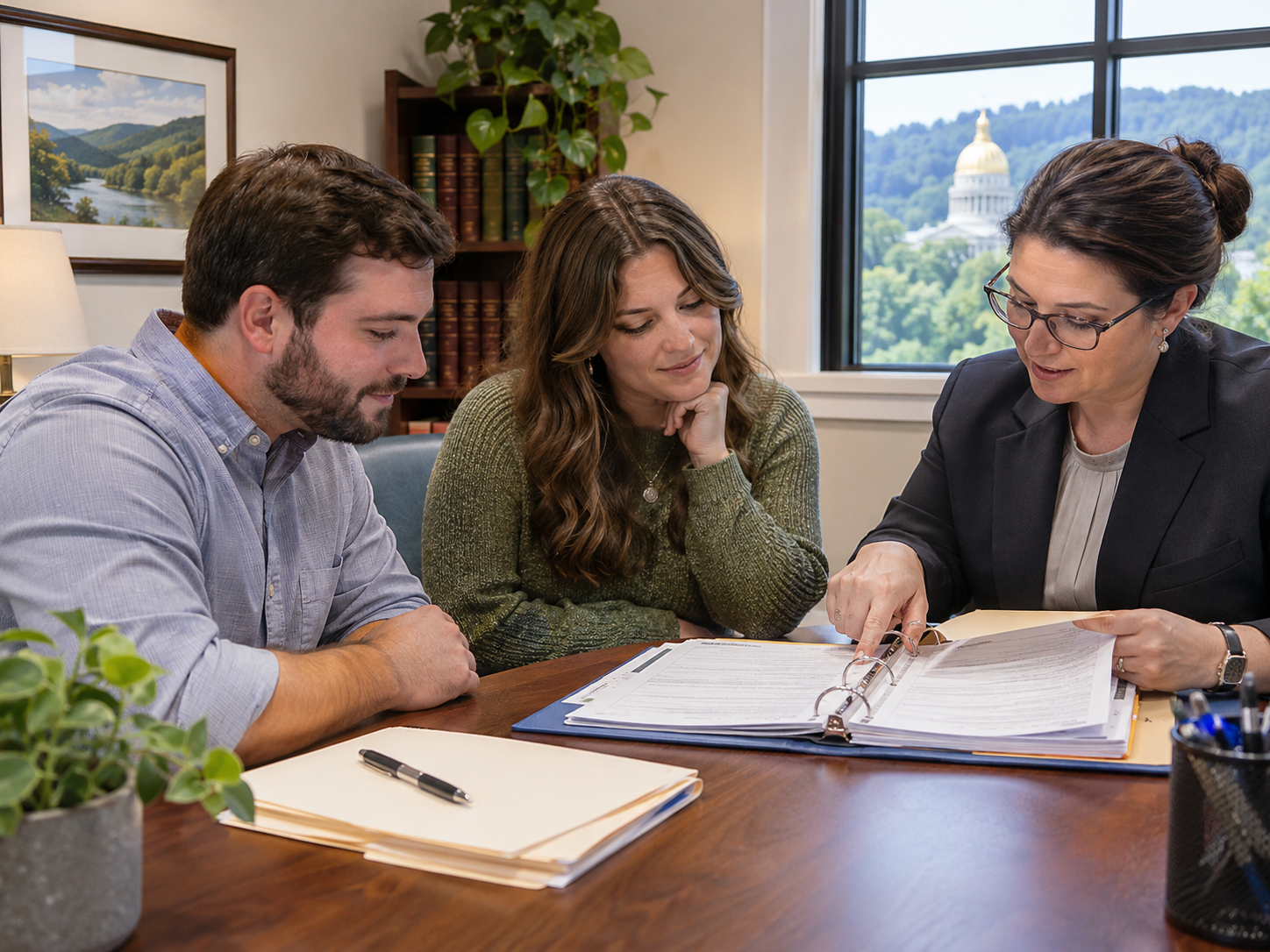
For foster and kinship cases, DHS assembles an "adoption packet." Under DHS policy, it includes certified copies of the termination orders, the child's birth certificate, the home study, the signed adoption subsidy agreement, and a certificate confirming that the appeal period has expired.
DHS policy also says the family must hire an attorney to file the case. When our office receives your adoption packet, we typically prepare your paperwork within 24 to 48 hours and contact you to review and sign it before it is filed.
Step 3: File the Petition in Circuit Court
Adoptions here are filed in circuit court, usually in the county where the new parents live. If the child was removed from a prior home in an abuse or neglect case, the law also allows filing in the county where that case was handled. The petition is a sworn document and must fully disclose what is known about the child's parentage.
Step 4: Give Notice to the People the Law Requires
Unless notice has been waived, it must be served within 20 days after filing on the people the law lists, such as anyone whose consent is required and anyone with legal or physical custody or court-ordered visitation. Notice does not need to go to a parent whose rights have already been terminated.
Step 5: The Six-Month Mark and What a Home Study Includes
The final hearing can happen only after the child has lived in the home for at least six months, proper notice has been given, and all needed consents or terminations are in place.
Before the hearing, the court may order a "discreet inquiry," often called a home study, to confirm that the child is a proper subject for adoption and that the home is suitable. The report can include a criminal background check if the court asks. In foster care cases, a home study is already part of the DHS packet.
Step 6: The Final Adoption Hearing
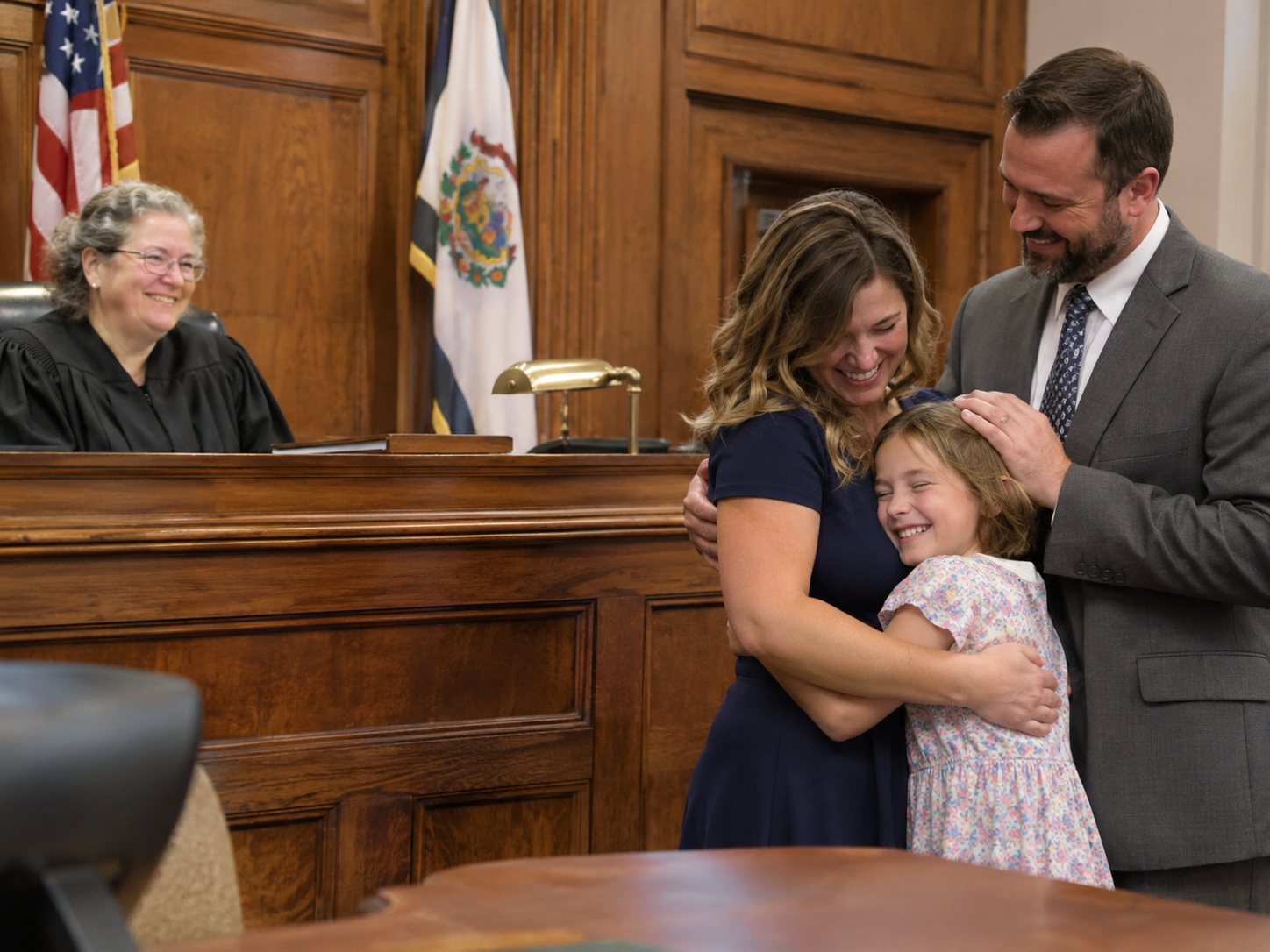
At the final hearing, the judge reviews the case and hears testimony under oath. To grant it, the court must find that:
-No one else still holds parental rights to the child
-The legal requirements have been followed
-The petitioners are fit to adopt
-It is in the best interests of the child
If the judge agrees, the court signs the order. In our office's process, families receive the final adoption order on the day of the final hearing. From that date, the law treats the child as the family's own child in every way, including inheritance rights.
Step 7: After the Adoption: A New Birth Certificate
After the order is entered, the circuit clerk sends a certificate to the state registrar of vital statistics, and a new birth certificate is issued showing the child's name from the order. The court file is sealed.
State law also creates a mutual consent voluntary adoption registry, run by DHS or an agency it contracts with. Identifying information is disclosed only if the adult adoptee and each birth parent have voluntarily registered, and a birth parent cannot use the registry until the adopted child is at least 18.
Our relationship with adoptive families does not end at the hearing. If questions come up later, call us; we never charge additional fees for that.
How Long Does Adoption Take in West Virginia?
The full process generally takes anywhere from six months to two years. The six-month residency rule sets the earliest point for a final hearing. Other factors include:
-Whether the birth parents' rights have already been terminated or relinquished
-Whether abandonment has to be proved
-The appeal period after a termination order
-How quickly the DHS packet and supervisor approvals are completed
Cases tend to move faster when rights are already terminated or abandonment is already established.
What Does Adoption Cost?
Foster and kinship cases subsidized by DHS come at no out-of-pocket cost to the family. By law, a DHS subsidy agreement must be in writing before the adoption is final, and it can provide for DHS to pay the family's attorney directly. We never ask these families to pay fees in advance or pay more than the state will reimburse.
For private, stepparent, adult, and international cases, fees depend on the facts. Before you make any payment, you receive a detailed retainer estimate that includes filing, paperwork, and hearing costs, and payment plans are available.
Is Adoption the Right Fit, or Is Guardianship?
Adoption permanently ends the birth parents' legal rights. Legal guardianship gives a caregiver legal authority to care for a child without terminating those rights, and the birth parents' names stay on the birth certificate. Guardianship can be a better fit when parental rights have not been terminated, or when a child 12 or older does not want to be adopted. Learn more about legal guardianships.
Frequently Asked Questions
Do I need a lawyer to adopt in WV?
For foster care cases, DHS policy says the family must hire an attorney to file.
Can grandparents or other relatives adopt a child in foster care?
Yes. This is called kinship care, and these cases are typically subsidized by DHS just like other foster care adoptions.
Can an adult be adopted in West Virginia?
Yes. An adult West Virginia resident can ask the court to adopt a person who is 18 or older, and the consent of the person being adopted is the only consent required. The adoptee can also change their name if they wish.
What if the child lives in another state?
Placements across state lines go through the Interstate Compact on the Placement of Children (ICPC), and both states must approve before the child is placed. We can help guide you through that process.
Will my child keep Medicaid and the subsidy after adoption?
Children adopted through DHS-subsidized adoptions can typically stay on Medicaid until at least 18, and longer in certain cases. The monthly subsidy generally runs to 18 and can extend to 21 if the young person qualifies and you apply on time. Your subsidy agreement controls the details.
Get Legal Advice About Your Adoption
Jackie Biddle has 26 years of legal experience and focuses her practice on adoption and legal guardianship for families across West Virginia. Initial consultations are free.
Call our office at 304-522-2204 or contact us online to talk through your next steps.
This article is general information about West Virginia law, not legal advice. Reading it does not create an attorney-client relationship. Laws change and every situation is different, so please talk with an attorney about your case.
